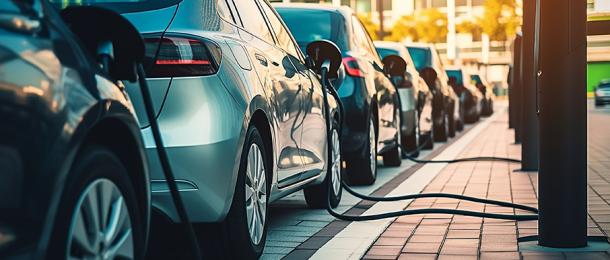






The Nitty Gritty of EV Charging Claims via a Novated Lease


Interest in electric vehicles has increased in recent years on the back of the Federal Government’s Electric Vehicle (EV) Discount, with the Australian Electric Vehicle Council reporting that as of October 2025, more than 410,000 electric vehicles – comprising battery electric (BEVs) and plug-in hybrid (PHEVs) vehicles – are on Australian roads and accounting for 12.1% of all new car sales, up from 9.6% in 2024*.
The same EV Council report also states the New Vehicle Efficiency Standard (NVES) has helped push the number of EV models on Australian roads to 153 – up from 123 in June 2024.
The same period has seen a 20% increase in fast-charging locations and high-powered charging plugs.
Based on these numbers, curiosity around options for claiming the costs of charging is increasing too.
Here are various options potentially available for claiming charging costs on your EV novated lease, and how to go about it. It’s important to note that you can only claim one method per Fringe Benefits Tax (FBT) year.
Shortcut Method
This claiming option, which became available via ATO legislation on 1 April 2024, allows eligible EV customers to claim for at home-charging battery EVs at the following rates:
- 4.2 cents per km for claims dated between 1 April 2024 – 31 March 2026
- 5.47 cents per km for claims dated from 1 April 2026
Note: The ATO increased the rate charging for the Shortcut Method from 4.2 cents per km to 5.47 cents per km for home-charging their battery EV for claims dated from 1 April 2026.
If you're charging mostly at home and don't have a dedicated fast charger or separate meter, this is a simple and easy way to access your EV charging benefit.
To work out your claim amount using the increased 2026/27 rate, multiply the dollar amount (0.0547) by the number of kilometres driven over the FTB year, which runs from 1 April to 31 March.
For example, driving 15,000 kilometres within one FBT year would equate to a claim of $820.50 (15,000 x 0.0547).
Important: The shortcut method only applies to novated leasing vehicles that are solely fuelled by electric power. The shortcut method is not available for Plug-in Hybrid Electric Vehicles (PHEVs).
Including your odometer reading in claim forms
To maximise your potential tax benefit for EV charging claims, record your odometer reading on 1 April 2026 and keep it handy for taxation purposes. The ATO guidelines state that kilometres can only be claimed within the same FBT year. Therefore, we would need to know your odometer reading from the beginning of the 2026-2027 FBT year to the date of your claim, to have an accurate record of your kilometres and reimburse you accordingly.
How to get a shortcut method claim form
If you would like to claim the shortcut method, please click here to download an Electric Vehicle Home Charging Rate form.
Invoice Method (Public and/or Metered Home Charging)
If you do most of your charging on the go at public charging stations, or have a separate meter for your EV energy use at home, the Invoice Method helps you claim for the actual costs of running your EV.
For public-charging claims you would ordinarily pay for this electricity with your own funds. Keep the invoices from these stations to claim through your account with us.
For metered home-charging you must specifically demonstrate the amount and cost of electricity that is going towards charging your EV. This can be either obtained through a separate smart meter installed in your home, or by purchasing a fast, in-home charger with the metering included within it.
How to claim the invoice method
If you would like to claim using the invoice method in respect of an eligible EV, you can submit your copies of public charging invoices, clearly defined electricity bills and/or fast charger invoices via your My RemServ (app or online) under EV charging.
Got questions about EV claiming? Please reach out through your My RemServ account or via [email protected].
*Source: EVC 'State of EVs 2025' - https://electricvehiclecouncil.com.au/wp-content/uploads/2025/10/State-of-EVs_2025_141025-2.pdf. EVC ‘Australia makes gains in EV uptake but faces steep road ahead, report finds’ https://electricvehiclecouncil.com.au/media-releases/australia-makes-gains-in-ev-uptake-but-faces-steep-road-ahead-report-finds/
Disclaimer: The material contained in this article is of general nature only and is based on the ATO Guidelines as of the date of publication. It is not, nor intended to be legal, financial or tax advice. If you wish to take any action based on the content of this article, we recommend that you seek professional advice.
Things you need to know: This general information doesn’t take your personal circumstances into account. Please consider whether this information is right for you before making a decision and seek professional independent tax and financial advice. Conditions and fees apply and you should confirm they are acceptable before you accept any arrangements with RemServ, along with credit assessment criteria for lease products. The availability of benefits is subject to your employer’s approval. RemServ does not act as your agent or representative (or provide you with any advice or recommendations) in respect of the leasing of any vehicle. You acknowledge and agree that any reward you receive is not a salary, however you may need to declare any reward as income for tax purposes.
Disclaimer: This website contains general information and doesn't take your personal circumstances into account. Seek professional independent advice before making a decision.